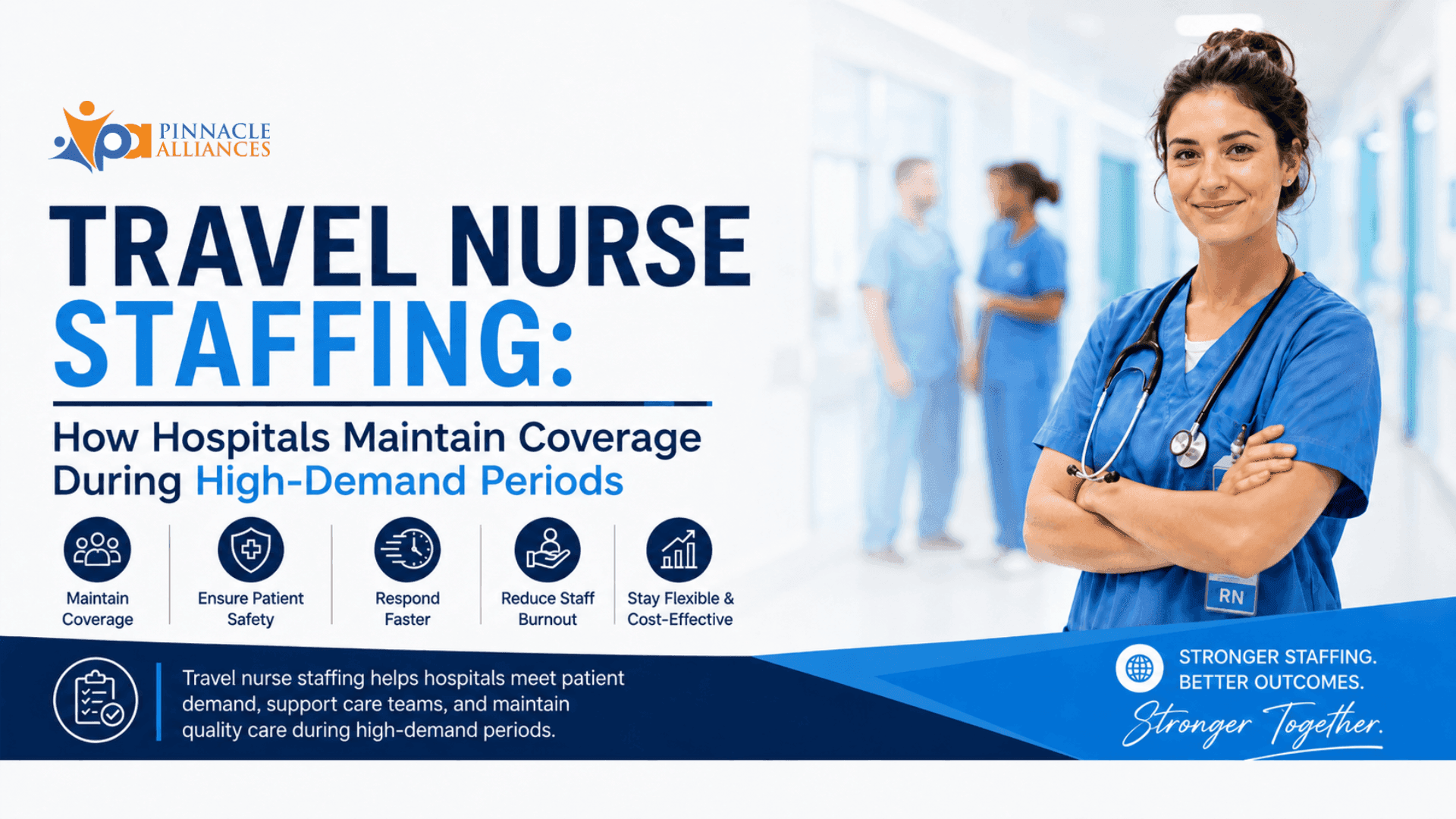
Hospitals do not operate on predictable demand. Patient volume can rise quickly during flu season, holiday periods, public health surges, staff vacations, census spikes, or unexpected absences. For nursing directors and hospital administrators, these high-demand periods create one major challenge: maintaining safe, consistent coverage without overloading the permanent clinical team.
This is where travel nurse staffing becomes a practical workforce solution. Travel nurses help hospitals fill short-term staffing gaps, support patient care continuity, and reduce pressure on internal nursing teams during periods when demand is higher than usual.
What Is Travel Nurse Staffing?
Travel nurse staffing is the process of bringing qualified nurses into a healthcare facility for temporary assignments. These assignments may last several weeks or several months, depending on the hospital’s staffing needs.
Travel nurses are commonly used when hospitals need additional support in departments such as emergency care, intensive care, medical-surgical units, labor and delivery, operating rooms, and telemetry. Their role is not to replace full-time nurses but to strengthen the existing workforce when coverage becomes difficult to manage.
For hospitals, this flexibility is valuable. Instead of rushing permanent hiring decisions or stretching current staff too thin, travel nurses provide immediate support during critical demand periods.
Why Hospitals Need Travel Nurses During High-Demand Periods
High-demand periods can happen for many reasons. Seasonal illness can increase patient admissions. Existing nurses may request time off during holidays. A hospital may experience sudden turnover, maternity leaves, or expansion of services. In some cases, local labor markets may not provide enough available nurses fast enough.
When hospitals are short-staffed, the impact is felt across the facility. Patient wait times may increase. Nurses may take on heavier workloads. Overtime costs can rise. Staff morale may decline. Most importantly, patient care quality can be affected if coverage is not managed properly.
Travel nurse staffing helps hospitals respond quickly before staffing gaps turn into operational problems.
Supporting Patient Care Continuity
Coverage is not just about filling a schedule. It is about making sure patients receive timely, attentive, and safe care.
During staffing shortages, permanent nurses often carry extra responsibilities. While many nurses are willing to help, long-term overwork can lead to fatigue, burnout, and reduced job satisfaction. Travel nurses help balance the workload so core nursing teams can continue working at a sustainable pace.
For nursing directors, this creates better continuity. Units remain staffed, patient assignments stay manageable, and the hospital can continue meeting care expectations even when demand rises.
Reducing Burnout Among Permanent Staff
Nurse burnout is one of the biggest concerns in healthcare staffing. When high-demand periods are handled only through overtime or double shifts, the permanent team may feel exhausted and unsupported.
Travel nurses provide relief by sharing the workload. This can reduce excessive overtime, help prevent scheduling pressure, and give full-time staff the ability to take necessary time off.
A strong travel nurse staffing plan shows internal staff that leadership is actively protecting both patient care and employee well-being.
Faster Response to Staffing Gaps
Permanent hiring takes time. Hospitals must source candidates, review applications, interview, verify credentials, complete onboarding, and align schedules. During urgent demand periods, that timeline may not match the facility’s immediate needs.
Travel nurse staffing allows hospitals to respond faster. Experienced travel nurses are used to entering new environments, adapting to different systems, and supporting busy units with minimal delay.
For hospitals facing sudden coverage gaps, this speed can make a major difference.
Maintaining Flexibility Without Long-Term Commitment
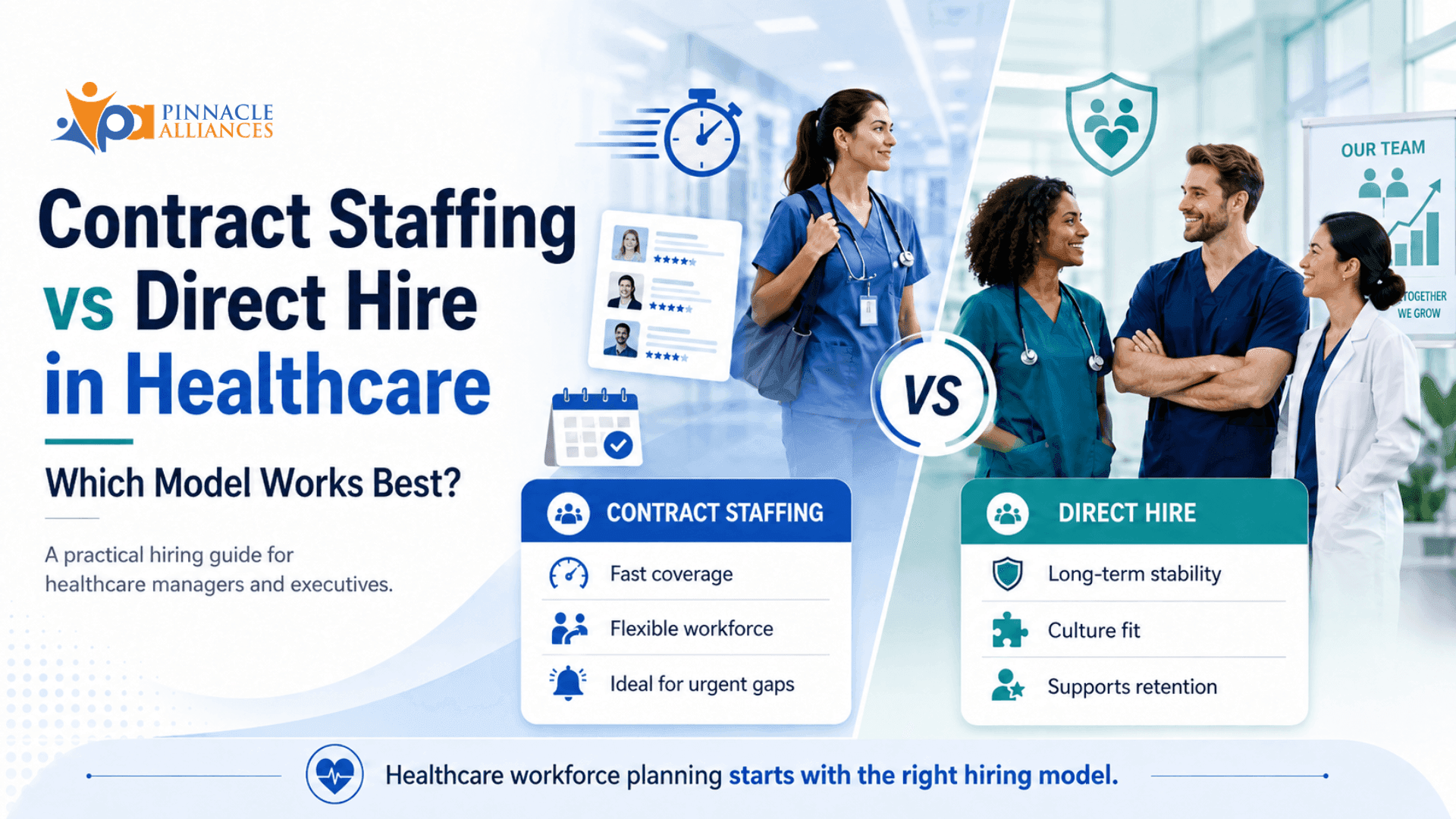
Not every staffing need requires a permanent hire. Some demand spikes are temporary. A hospital may need support for only a season, a special project, a census increase, or a leave coverage period.
Travel nurse staffing gives hospitals flexibility. Nursing directors can scale coverage up or down based on actual demand instead of making long-term workforce decisions under pressure.
This flexibility helps hospitals control staffing more strategically while still maintaining service levels.
The Importance of Credentialing and Compliance
Travel nurse staffing must be handled carefully. Hospitals need nurses who are properly licensed, credentialed, experienced, and ready to meet clinical standards.
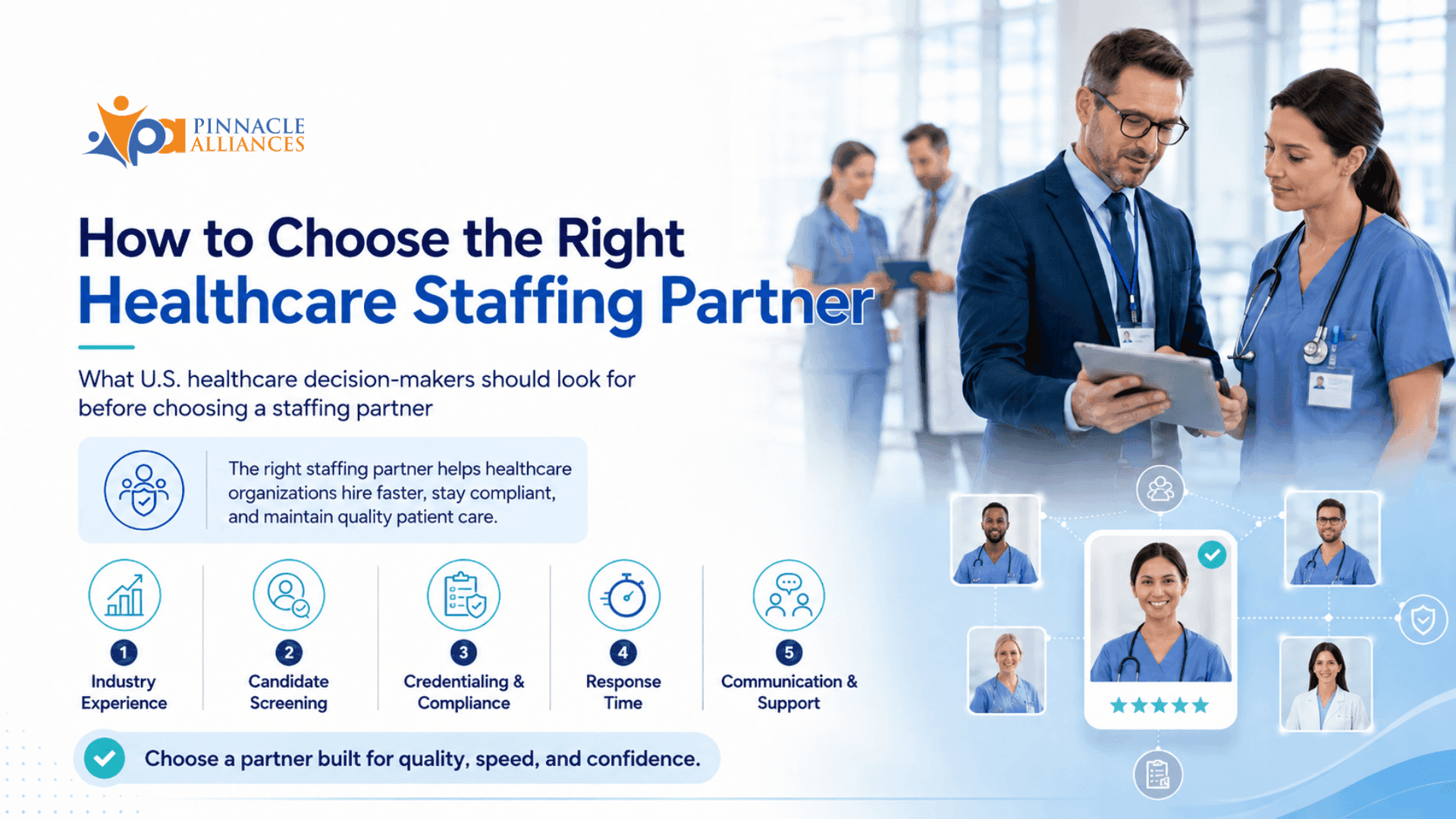
A reliable staffing partner helps verify qualifications, review work history, check compliance requirements, and match nurses to the right units. This reduces risk and gives hospital leaders confidence that temporary staff can perform safely and professionally.
For healthcare facilities, the right travel nurse is not just available — they are qualified, compliant, and aligned with the department’s needs.
How Pinnacle Supports Hospital Staffing Needs
Pinnacle Alliances helps healthcare organizations build dependable staffing support during periods of high demand. Whether a hospital needs short-term nursing coverage, specialty support, or workforce planning assistance, the goal is to help clinical leaders maintain stability without compromising patient care.
By focusing on speed, structure, credential awareness, and role alignment, Pinnacle supports hospitals in managing staffing gaps more effectively.
Final Thoughts
High-demand periods are unavoidable in healthcare. The real difference is how prepared a hospital is to respond.
Travel nurse staffing gives hospitals the ability to maintain coverage, protect permanent teams, manage patient volume, and continue delivering quality care during challenging periods. For nursing directors and administrators, it is not just a temporary staffing option — it is an important part of workforce resilience.
With the right staffing approach, hospitals can stay prepared, flexible, and patient-focused even when demand is at its highest.